Handling Big Loads: A Saga
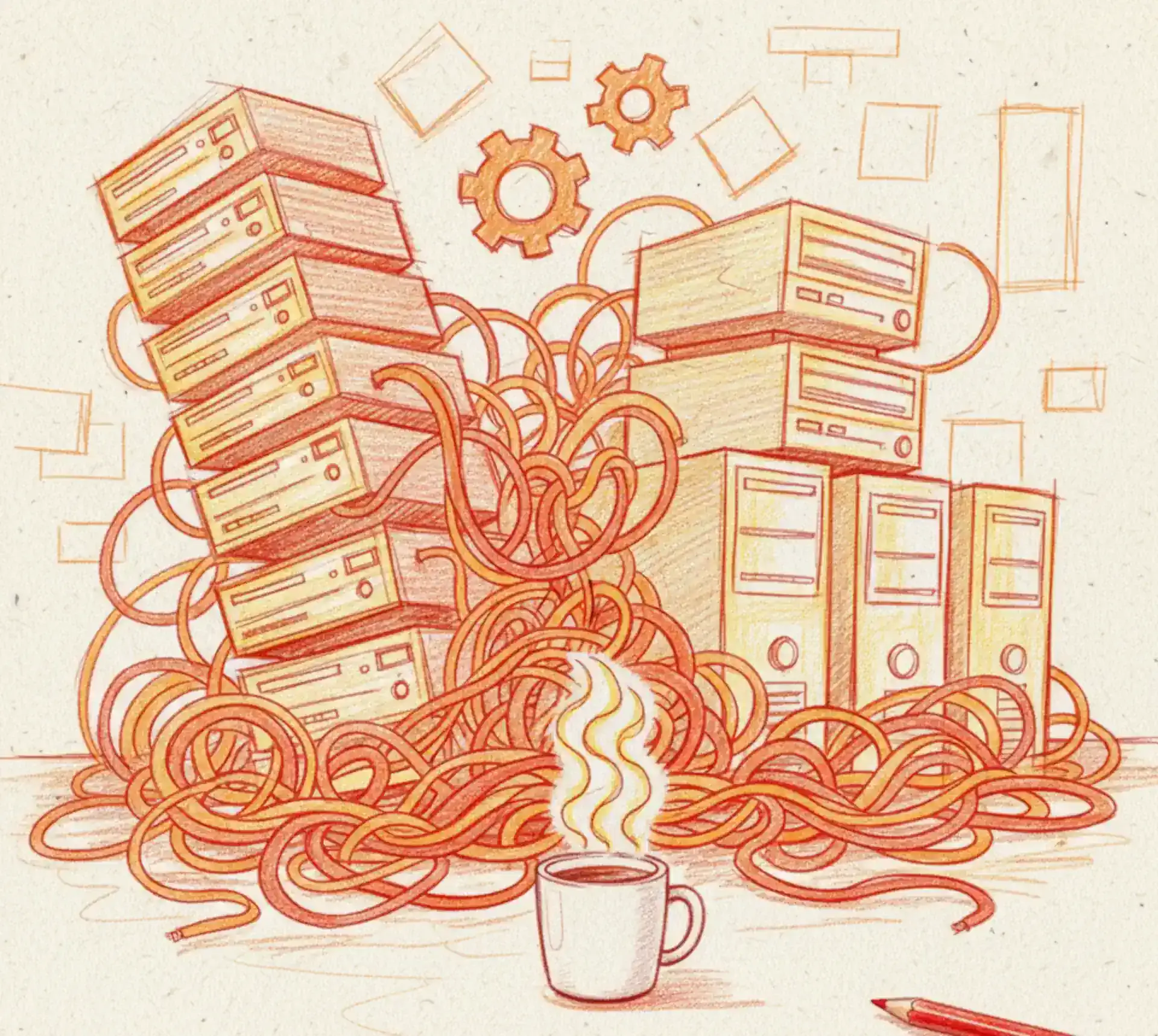
A few years ago, I watched an e-commerce platform collapse under heavy traffic during a major sale. It was not a simple syntax error or a missing database index. The system simply choked. Orders were created but payments failed. Inventory updated while confirmation emails never fired. Each microservice reported healthy metrics on its own dashboard, yet together they created a disaster. I solved it by implementing the Saga pattern to manage distributed transactions, but the real lesson was not about the pattern itself. The lesson was that I had only looked at the small parts and ignored the whole machine.
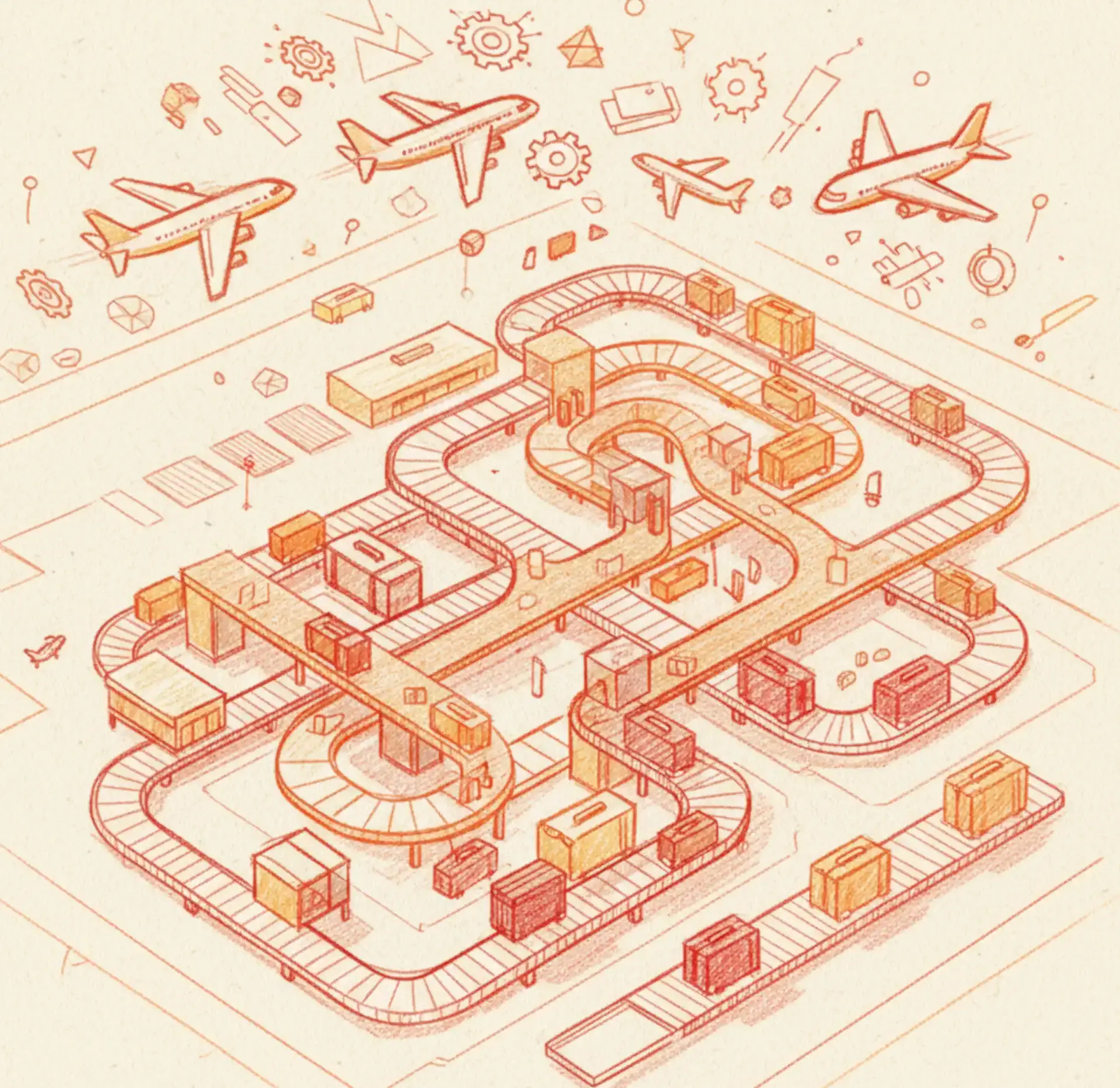
That experience is the core of systems thinking. It is the ability to understand how each part of a system interacts over time, especially when things break. Think of a major international airport during a holiday rush. A single delayed fuel truck does not just affect one plane. It reshuffles gates, delays baggage crews, pushes back catering trucks, and ultimately leaves passengers stuck across multiple continents. Software behaves the same way. A slow database query in one microservice can cascade into retry storms, exhausted connection pools, and a checkout page that fails at the worst possible moment. You cannot fix that by optimizing one function. You have to see the flow.
Every programming era had its hot skill. Today, the market makes it clear that systems thinking is that skill. The most in-demand engineering roles, from backend infrastructure to machine learning platforms, are fundamentally about building and managing complex systems. These roles require orchestrating distributed tools, optimizing data pipelines, and ensuring that millions of transactions flow without friction. It is no longer enough to write a clean function. You must understand how that function behaves when the network is slow, the queue is full, and the downstream service is down. You must understand the delays. Paradoxically, as AI gets better at writing code, the demand for engineers who can design systems is increasing. The machine generates the components faster than ever, but someone must still architect how those components interact under stress.
This is exactly where artificial intelligence reaches its current limit. AI is excellent at generating syntax, refactoring modules, and even suggesting isolated algorithms. But systems thinking is not syntax. It is the intuition to anticipate a cascading failure before it happens. It is the judgment to know when a compensation transaction is worth the added complexity. It is the calm to debug a distributed outage at two in the morning when logs contradict each other and the pressure is high. These things require years of direct experience that come from watching systems fail in production and surviving the aftermath. Systems thinking lives in the gaps between the code, in the timing and the tension that no static analysis can fully capture.
I have written before about how vibe coding is a beautiful lie unless you know how to catch the fall. That warning applies tenfold to systems design. Letting an AI agent spin up microservices without understanding the retry policies, the circuit breakers, and the failure modes is not speed. It is deferred disaster. The machine can write the code for a saga coordinator, but it cannot feel the dread of knowing that a missed compensation event will corrupt financial records at scale. It cannot weigh the trade-off between eventual consistency and strong consistency because it has never been paged at midnight by an angry operations team. Handing over system design entirely to AI today is like letting autopilot land a plane during a thunderstorm without a pilot watching the instruments. The tools are powerful and getting better every month, but the oversight must be human. The responsibility must be human.
Fundamentally, systems thinking has always been part of software engineering. Whether you work on frontend state management, backend APIs, or AI agent orchestration, understanding how granular code fits into the bigger picture will always separate a builder from an architect. You can sharpen this intuition by studying real-world logistics operations, reading anonymized postmortems from major infrastructure providers, or stress-testing your own projects against massive public datasets. Feel where the bottleneck forms. Watch how your frontend chokes when you feed it real scale. Observe how a single unhandled exception in a background worker can poison an entire job queue. That discomfort is where you learn. That friction is the teacher.
So here is my challenge to you. This week, audit one bottleneck in your current project. Do not just look at the slow query or the failing unit test. Map the failure modes. Ask what happens if the cache evaporates. Ask what happens if the retry logic amplifies the problem instead of solving it. Trace the impact across every service it touches. Consider the user on the other end. Do not outsource that thinking to a machine. Your systems, your users, and your future self will thank you.
Disclaimer: All content reflects my personal views only and does not represent the positions, strategies, or opinions of any entity I am or have been associated with.