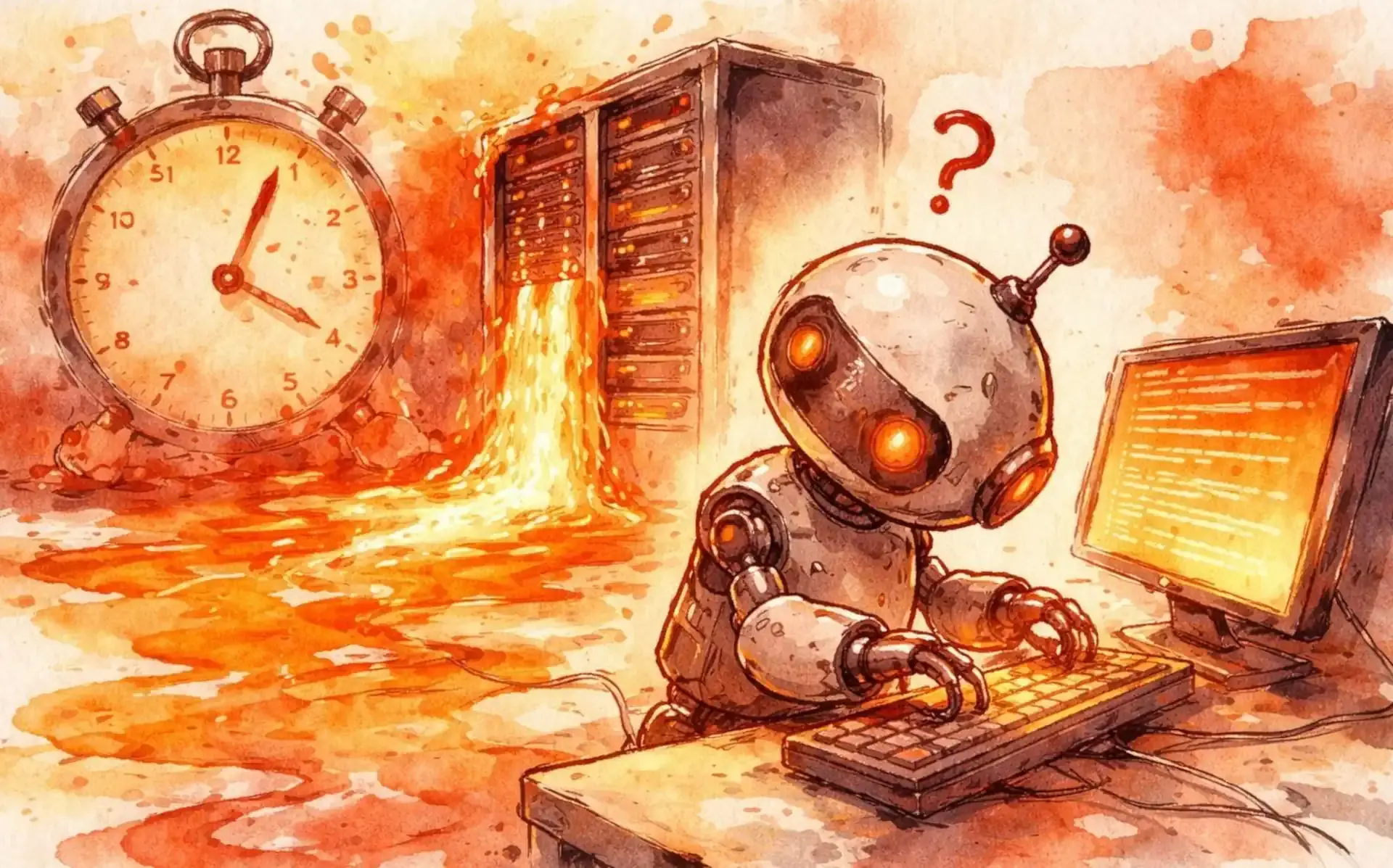
The Impotence of Taking Sides
Not long ago, Jensen Huang suggested the era of teaching everyone to code might be ending. Months later, he was telling companies to double down on hiring engineers. The AI industry is figuring things out in real time, and the speed of the pivot tells you something useful: nobody has a crystal ball. Not even the people building the future. That is not a weakness. It is what genuine innovation looks like when it moves fast.
I have been building software since 2009. PHP was my first language: ugly, inconsistent, declared dead by every blogger. It ran Facebook and half the internet anyway. Then C# and .NET. The open source crowd dismissed it as enterprise bloat while banks and hospitals ran on it because they could not afford downtime. Then Node.js was going to kill PHP and unify frontend and backend. The hype burned bright and faded fast. What remained was a useful runtime. Not a revolution. Just a tool. Python was too slow, too academic. It ate data science and machine learning while nobody was watching. Here is what two decades taught me: the loudest predictions are usually wrong about timing and scale. But the builders who keep shipping are the ones who win.
AI is different from anything that came before. LLMs complete code, translate languages, parse unstructured text. They are already changing how software gets built, and they are accelerating. What felt impressive six months ago is table stakes today. I use these tools every day. They make me faster. They make my team faster. Companies that learn to build AI-native applications now will define the next decade. That is not hype. That is pattern recognition from someone who has watched enough platform shifts to know what one looks like.
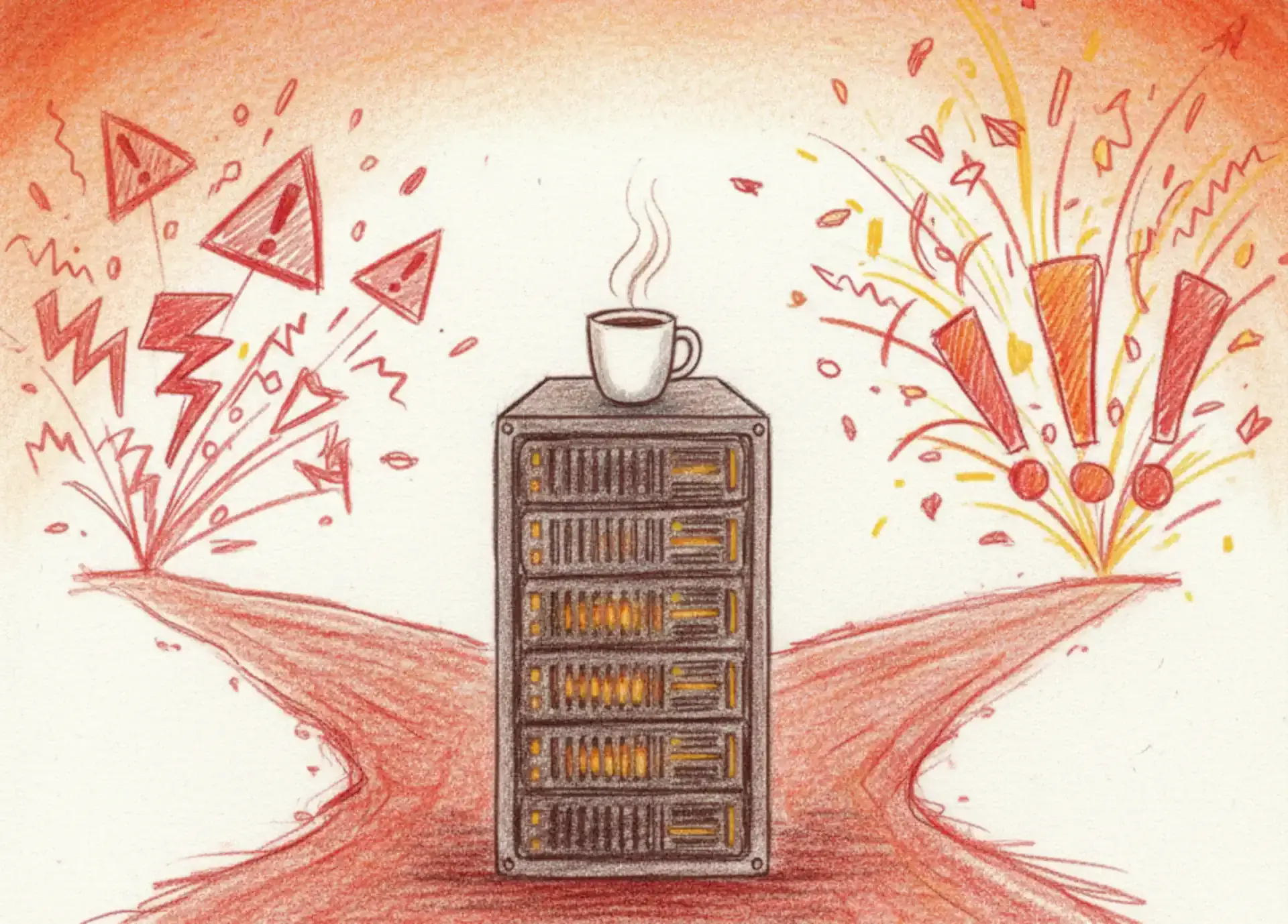
And yet the public conversation about AI is stuck in two camps. One side says AGI will save humanity. The other says it will end humanity. Both treat anyone who refuses to pick a side as naive or complicit. But the actual builders I know do not spend much time on either argument. They are too busy shipping.
The gap between what we have today and the hypothetical superhuman intelligence that dominates headlines is enormous. That does not make the ambition wrong. Ambition is how industries move forward. But it does mean the most productive thing any engineer can do right now is build with what exists. Does the tool reduce bugs? Does it help onboard new developers faster? Does it make customers happy? Those questions have answers. The cosmic ones do not.
Most people I know in this industry live in a space the loudest voices ignore. They believe AI will create enormous value. They also believe it will cause real disruption. Both things can be true at the same time. You can bet on AI transforming entire sectors without betting on utopia or catastrophe. The companies winning right now understand this. They are not waiting for AGI. They are building products that work today and getting better every quarter.
I have watched enough hype cycles to know that certainty is usually a costume. PHP was dead. .NET was doomed. Node was a toy. Every single one still runs production systems and pays salaries. The people who shouted loudest about the death of one platform or the rise of another were almost always wrong about the specifics. But the people who kept building while the shouting happened. They are the ones who own the platform now. Direction without timing is useless. Tell me what ships tomorrow. Not what happens in twenty years tomorrow.
AI will follow a similar arc. It will change things faster than skeptics expect and slower than evangelists promise. The winners will not be the loudest voices in either camp. They will be the engineers and companies who build useful things, ship them, and let the results do the talking. That is the only bet worth making.
Disclaimer: All content reflects my personal views only and does not represent the positions, strategies, or opinions of any entity I am or have been associated with.