Getting Looped
I use AI coding tools every day. They are genuinely powerful. I have shipped features faster with an LLM at my side than I ever could alone. So when I hear someone say coding is solved, I do not dismiss it out of hand. I listen. And then I look at the receipts.
Recently, the creator of Claude Code shared his current workflow in a public video. He no longer prompts Claude. He sets a goal, writes a loop, and lets it burn tokens until a win condition fires. Hand coding is "gross." Prompting is "also gross." The next abstraction, he says, is writing loops that code for you. His company backed this up with a bold tweet: they are shipping eight times more code per employee in Q2 2026 than the pre-2025 average. That is roughly two years of code per quarter, per person.
Impressive numbers. But numbers are only as good as the product they describe. And here is where things get awkward.
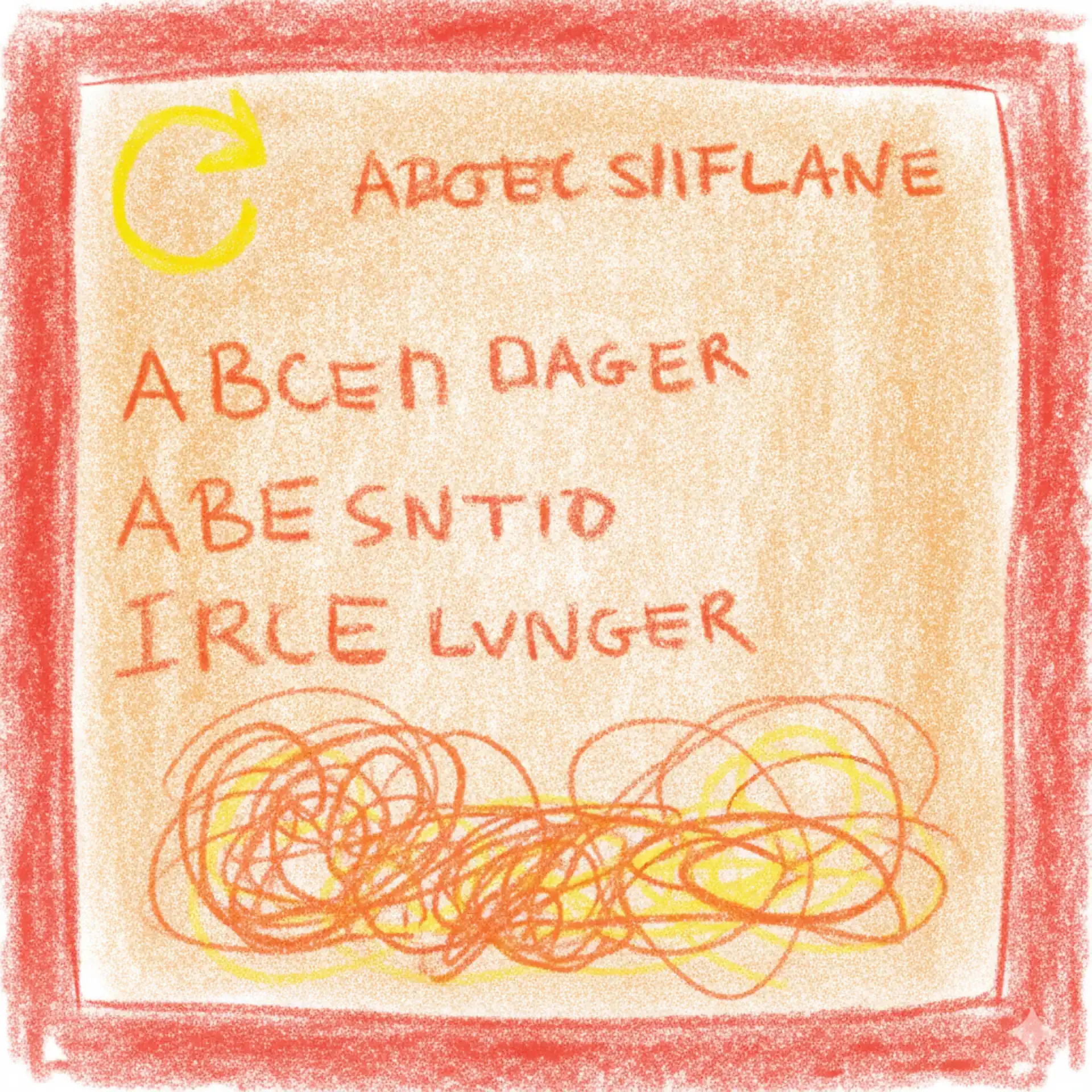
Claude Code launched as a research preview in February 2025. Within two weeks, a bug report appeared on GitHub. The terminal flickered. Not a little. Not occasionally. The screen jumped and spasmed while rendering plain text characters in a grid. Users filed issue after issue. The bug was so obvious you could not miss it if you used the product for five minutes. Anyone inside the company who had ever opened Claude Code knew about it.
Ten months passed. On December 17, 2025, the company finally acknowledged it publicly. They claimed a rewrite of the terminal rendering system that reduced flickering by roughly 85 percent. I have never seen a bug fix that only claims to fix something 85 percent of the time, but here we are. The next day, December 18, they rolled the fix back. It broke enough things heading into the holidays that stability concerns forced a retreat. The rewrite itself was described internally as requiring the equivalent of a game engine. A game engine. To render text characters. On a grid.
Fast forward to April 1, 2026. Not a joke, though the date is perfect. The creator himself shipped a new feature called no flicker mode. It takes an alternate screen buffer approach, the way editors like Vim handle rendering, rather than the direct-print method that apparently demanded a game engine rewrite. Over fourteen months after the first bug report, a clean terminal experience still lives behind a feature flag.
Let that land. A company that claims coding is solved, that ships eight times more code per employee, could not fix terminal flickering in their flagship developer tool for over a year. The bug was pure software. No hardware constraints. No infrastructure capacity problem. No scaling limitation. Just text characters drawn on a grid, blinking.
And the pattern does not stop with flickering. The Claude Code changelog from late May 2026 promised "fewer mysterious error messages." Mysterious. That is their word, not mine. They did not know what was causing certain errors in their own product and were hoping the next release would have fewer of them. Around the same period, users on GitHub, Reddit, and Hacker News reported receiving what appeared to be other people's prompt results in their own sessions. Legal documents surfacing in unrelated coding sessions. Cross-session data that the team has not been able to explain or reliably reproduce.
I am not saying AI coding tools are useless. Far from it. I use them daily. They accelerate real work. They lower the barrier for junior engineers. They make prototyping absurdly fast. But "coding is solved" is not a technical statement. It is a marketing claim, and the company making it cannot keep its own terminal from blinking.
The human cost of this rhetoric is measurable. Engineers message me worried about their careers. They are told to run the loops, code the coders, let it fly. Code gets pushed to production with no review, no tests, no understanding of what was written. People burn out not because the tools are bad, but because they are told the tools remove the need for judgment. They do not.
So here is where I land. AI has accelerated the rate at which we can produce code. It has accelerated the rate at which we can produce correct code, when paired with discipline. It helps people write better tests, explore unfamiliar codebases, and break through blocks that used to take hours. Those gains are real. Celebrate them.
But shipping with protection means more than trusting the loop. It means reviews still matter. It means understanding your dependencies still matters. It means when the loop fails, and it will fail, someone on the team needs to know what the loop was supposed to do and why. The loop is a pattern, a useful one, but it is not a substitute for engineering judgment. If your terminal flickers for fourteen months while you tell the world coding is solved, you are not shipping faster. You are just shipping faster and blinking.
I will keep using AI. I will keep writing loops where they make sense. But I will also keep reading the diffs, running the tests, and understanding what ships. Not because I do not trust the tools. Because I have been doing this long enough to know that the last ten percent of any software problem is where the hard part lives, and nobody's loop has solved that yet.
Disclaimer: All content reflects my personal views only and does not represent the positions, strategies, or opinions of any entity I am or have been associated with.