Stripped for Parts
At work, I have every tool money can buy. Cursor. Claude Code. OpenAI Codex. GitHub Copilot. The company pays the bills. I never look at the meter.
For my personal projects, the math is different. That spend comes out of my own pocket. A few months ago I started questioning whether I was getting enough value to justify it. I looked for alternatives and landed on opencode.ai's Go subscription with DeepSeek V4 Pro as the backing model.
I expected a downgrade. I did not get one.
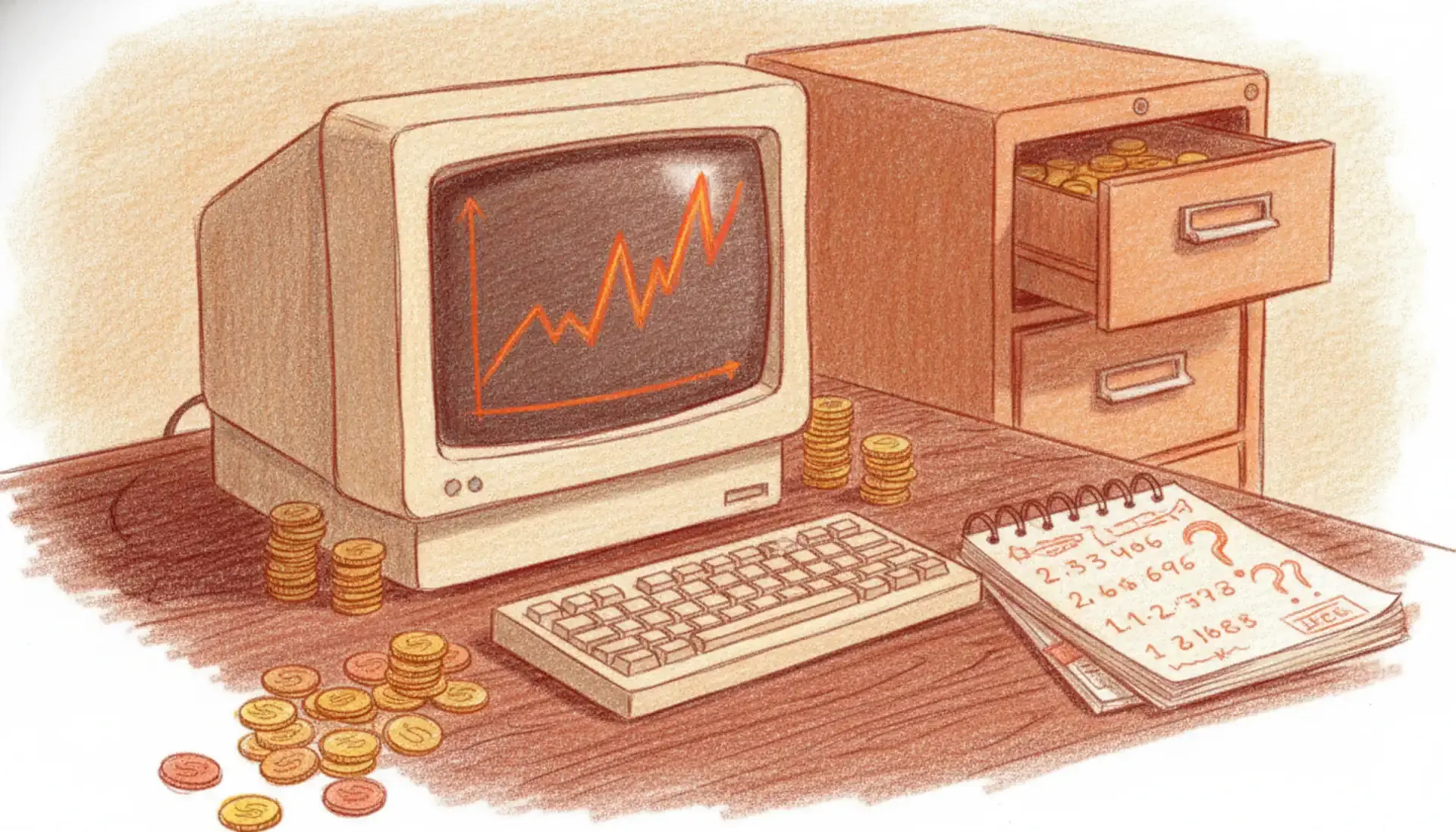
The project that changed my mind was an investment dashboard. Instead of jumping into code, I asked DeepSeek to write the specifications first. Not by guessing. By grilling me. It fired questions about architecture, data flow, user roles, edge cases. It pushed me to clarify my AGENTS.md before a single line of code existed. The back-and-forth forced me to think through details I had been glossing over in my own head.
The first draft landed at roughly eighty to ninety percent accurate. What happened next is where the real surprise lives.
I asked it for multiple passes. Read every file, line by line. Simulate each code path with possible inputs. Verify every output matched the expected result. It reported every issue with exact line numbers so I could visit each directly. This surfaced problems I had never considered. State transitions I had not mapped. Input combinations I had not imagined. Edge cases hiding in the cracks between functions. Tests verify what you predict. This found what I missed. I repeated the cycle until satisfied. The code was hardened.
Here is what made this possible. opencode's Go subscription is generous with token allocation across hourly, daily, weekly, and monthly limits. High enough that exhaustive passes on a codebase never trigger anxiety. With Claude or GPT pricing, this thoroughness would cost a small fortune. With DeepSeek, it costs almost nothing.
Yet I cannot use this workflow at my day job. Company policy requires vendor vetting, and DeepSeek has not cleared the bar. Cursor, all Claude models, all OpenAI models, GitHub Copilot, those are approved. DeepSeek is not. I have access to every expensive model at work, and the one I want for this workflow is the one I am not allowed to touch.
The timing sharpens the irony. DeepSeek just announced that V4 Pro's promotional pricing is now permanent. This is the market finding its floor. Epoch AI data shows inference costs dropping by two orders of magnitude per year. Intelligence is becoming a commodity faster than anyone predicted.
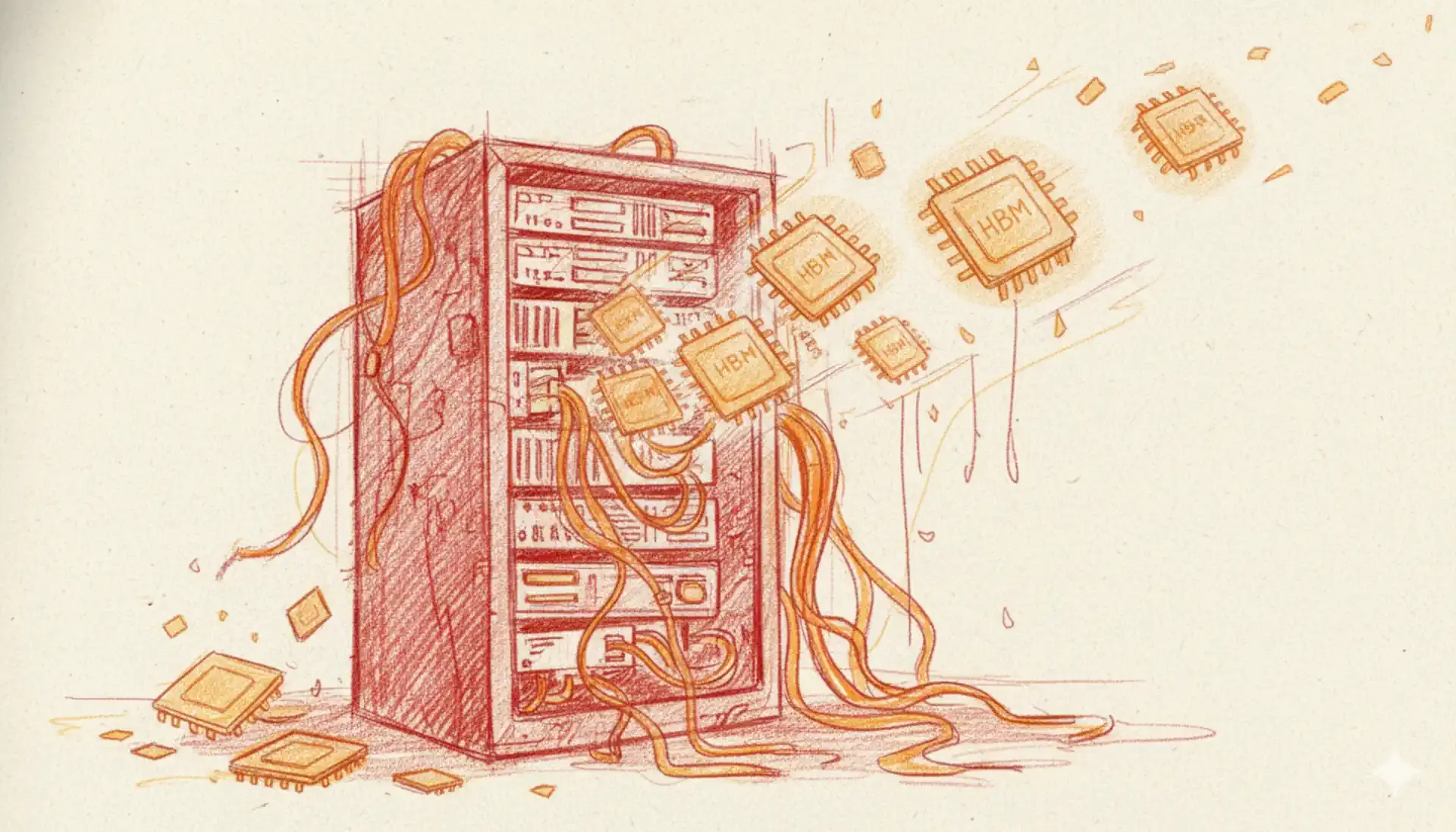
But the hardware tells a different story. High-bandwidth memory now accounts for sixty-three percent of AI chip component costs, up from fifty-two percent in a single year. Two-thirds of every chip's bill of materials goes to memory. Logic dies sit flat at thirteen percent. The money is not vanishing. It is concentrating.
Microsoft added twenty-five billion dollars to its 2026 capex for component price hikes. Meta raised its outlook by ten billion. The bottleneck is memory bandwidth, not floating-point operations.
This creates a strange market. At the API layer, inference is in free fall. At the silicon layer, costs surge in one category. Companies that understand this gap build on top of commoditized intelligence, layering proprietary data and workflow expertise no model can replicate. Companies that lose have a value proposition that reads "we give you access to the model." When the model costs nothing, what exactly are you selling?
I have watched technology layers commoditize for two decades. PHP hosting gave way to cloud. Bare metal gave way to Kubernetes. Each time, value migrated up the stack. AI inference is doing the same, except faster.
Enterprise policies that ban tools like DeepSeek will not survive this compression. They will age the way "no cloud" policies aged. When intelligence becomes as cheap as electricity, the moat is not which model you use. It is everything you build around it.
The tools that let me be thorough, simulate every code path, and surface bugs I never thought to look for, are now priced like utilities. The bottleneck was never the model. It was the cost of being careful. That cost just collapsed.
Disclaimer: All content reflects my personal views only and does not represent the positions, strategies, or opinions of any entity I am or have been associated with.