Naked in Production: What Happens After the Tutorial Ends
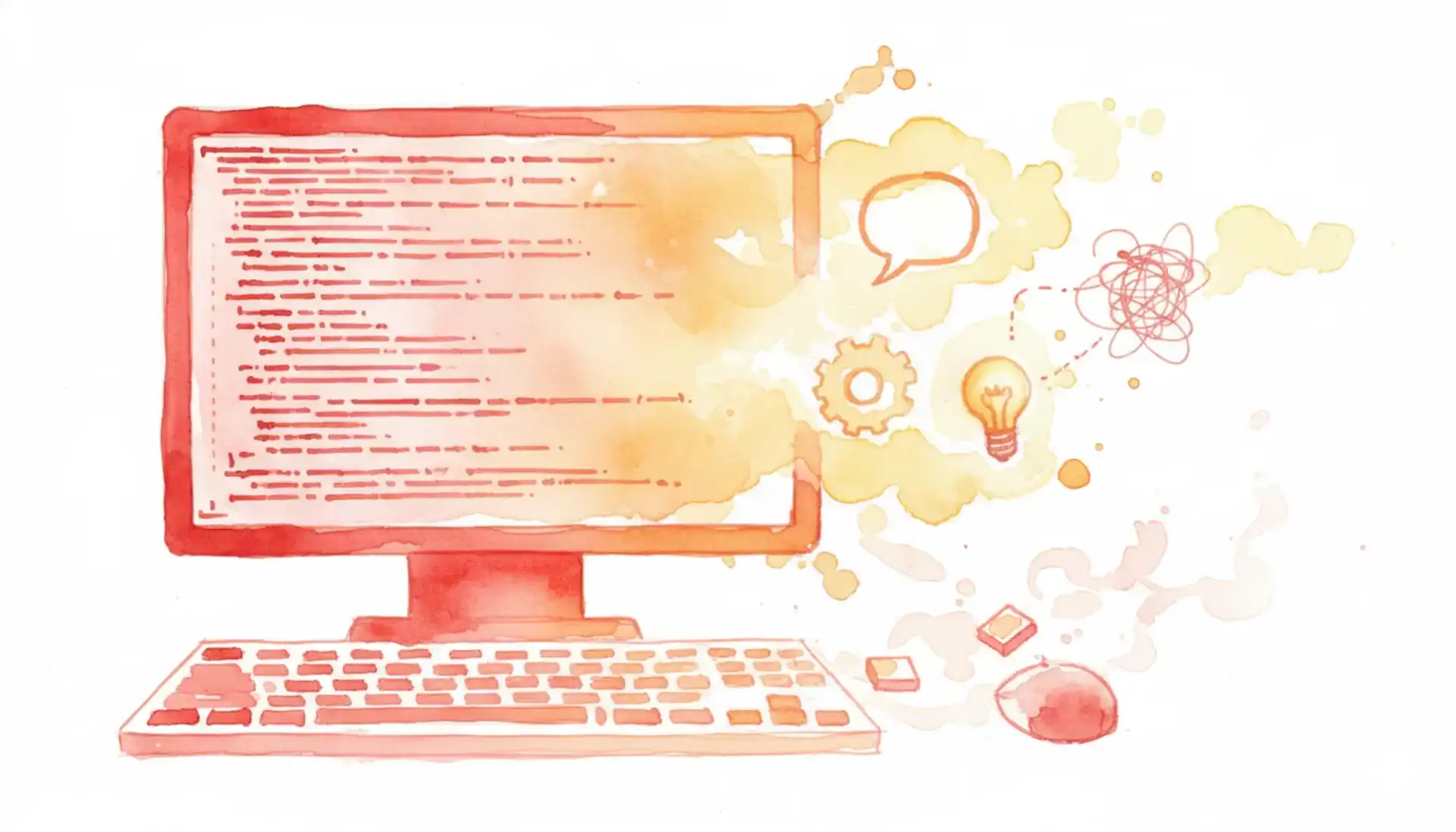
You finish the tutorial. The REST API is running. All the tests pass. You close the browser tab feeling accomplished. Then you open a blank editor to start your own project, and your mind goes completely empty. The cursor blinks. You blink back. Nothing happens.
This is not a personal failure. It is a structural problem with how most people learn to code. Tutorials give you a script. They tell you what to type, in what order, with what expected outcome. Real engineering has no script. You start with a blank file and a vague idea of what you want to build. Nobody is going to tell you what line comes next.
I have watched this pattern for over a decade. Developers who can follow instructions perfectly but cannot write a single function without a reference. Breaking out of this cycle requires one shift in how you learn. You have to stop being a consumer of tutorials and start being a builder. And you have two clear paths to get there.
Path one is contributing to open source. The myth that you need to be an expert stops too many people from ever starting. On GitHub, there is a repository called First Contributions that exists for one reason: to teach beginners how the pull request workflow actually works. With over fifty thousand stars, its entire purpose is to be your first merge. Start there. Make a one-line change to a contributors file, open a pull request, and watch it get accepted. That alone demystifies the process.
After that, look at the tools and libraries you already use. Do not try to fix anything yet. Just read the code. How is the project structured? How do they handle errors? What patterns repeat across the codebase? Getting comfortable reading other people's code is a skill in itself, and it is one that tutorials never teach you.
This is where AI becomes genuinely useful. Instead of spending hours tracing execution paths through unfamiliar code, ask an AI tool to explain a module, summarize a file structure, or trace a function call chain. It accelerates the reading phase dramatically. But you cannot accept those explanations blindly. The AI is your tour guide. It points at buildings and tells you what they are. But you still have to walk the streets yourself. If the AI tells you something that does not make sense, dig in until you understand. Ownership of comprehension can never be delegated.
Once you can read the code comfortably, make the smallest possible contributions. Fix a typo in the documentation. Add a missing sentence to a readme. Write a unit test for a function that has none. These are real contributions to real projects, and maintainers genuinely appreciate them. From there, you work up to more complex issues. Let the progression happen naturally.
Path two is building your own applications. This is the faster path to real skill growth, but only if you do it right. After you watch a tutorial on a framework like Gin or FastAPI or Express, the instinct is to build the same thing the tutorial built but with different variable names. Do not do that. Build something that solves your own problem. Something you have wanted for yourself for a long time.
When you solve your own problem, three things happen that do not happen with random projects. First, you already understand the requirements because you live them every day. Second, you are naturally motivated to finish because you want the solution to exist. Third, edge cases reveal themselves through your own usage. You do not have to guess what might go wrong. You will experience it firsthand.
AI plays a different role here, and getting this right is the difference between learning and drifting. Think of AI as training wheels. They keep you upright while you figure out how to pedal. They prevent you from crashing during the scary parts. But they do not ride the bike for you.
When you hit a concept you are fuzzy on, ask AI to explain it inside the context of your actual code. When you need a specific API signature or configuration pattern, let AI surface it instead of digging through scattered documentation or stale forum threads. When you finish a feature, let AI review your work for edge cases you missed, suggest tests you forgot, or flag potential bugs before they cause problems in production.
What you do not do is hand the keyboard over. You still write the code. You still make the architectural decisions. You still own the design. The AI fills gaps you know you have. It cannot fill gaps you do not know exist, because spotting those still requires you to be paying attention. Training wheels do not teach you balance. They just give you a safer environment to learn it.
Both paths lead to the same outcome. You stop consuming knowledge and start producing it. That is the shift that separates people who feel stuck after every tutorial from people who keep growing. Tutorials are input. Real growth comes from output. AI can accelerate output dramatically, but only if you stay in control.
The next time you finish a tutorial, do not open another one. Pick a small open source project and read its code. Or start building something you personally need. Either way, ship something. Training wheels on, eyes open, hands on the keyboard.
Disclaimer: All content reflects my personal views only and does not represent the positions, strategies, or opinions of any entity I am or have been associated with.