Exposed and Still Shipping
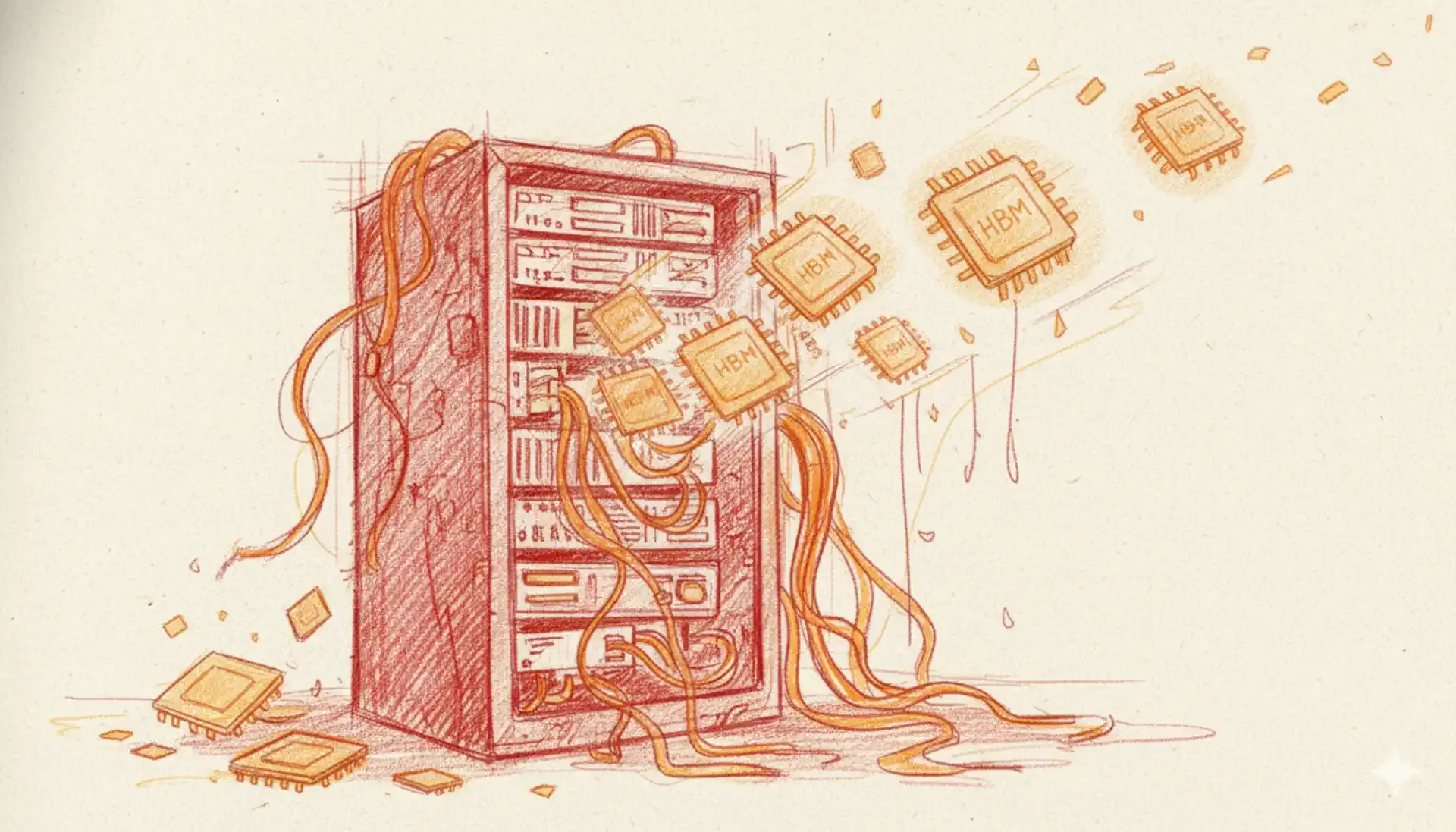
The leader of a major AI company recently predicted that by the end of the
year, most code would not need a single developer. A founder of a major
social media platform announced deep cuts across the organization and
attributed the restructuring to AI. If you read only the headlines, the
message is clear. Pack your things. The machines are here.
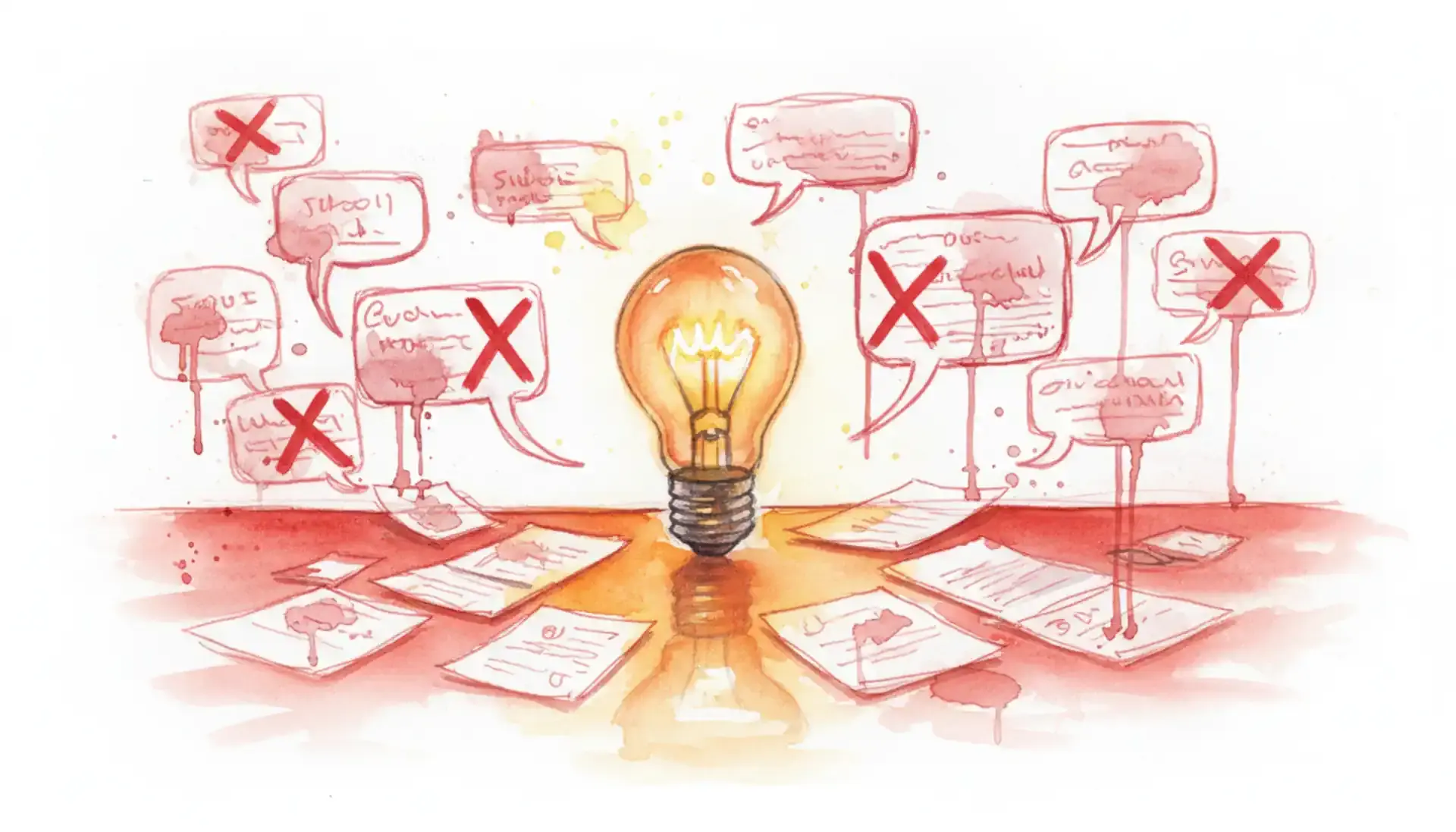
Both claims deserve more scrutiny than they usually get. The layoffs may
have more to do with pandemic over-hiring than automation. The prediction
about developers becoming obsolete comes from someone whose compensation
depends on you believing exactly what they are saying. Vendors sell futures.
They are not career counselors. The gap between a product roadmap and the
labor market is wide. It is filled with other people's anxiety.
I wrote previously about the public side of this conversation, the camps,
the tribalism, the loud voices insisting you must pick a side. That post,
The Impotence of Taking Sides, argued that the builders who keep shipping are the ones who win. But there
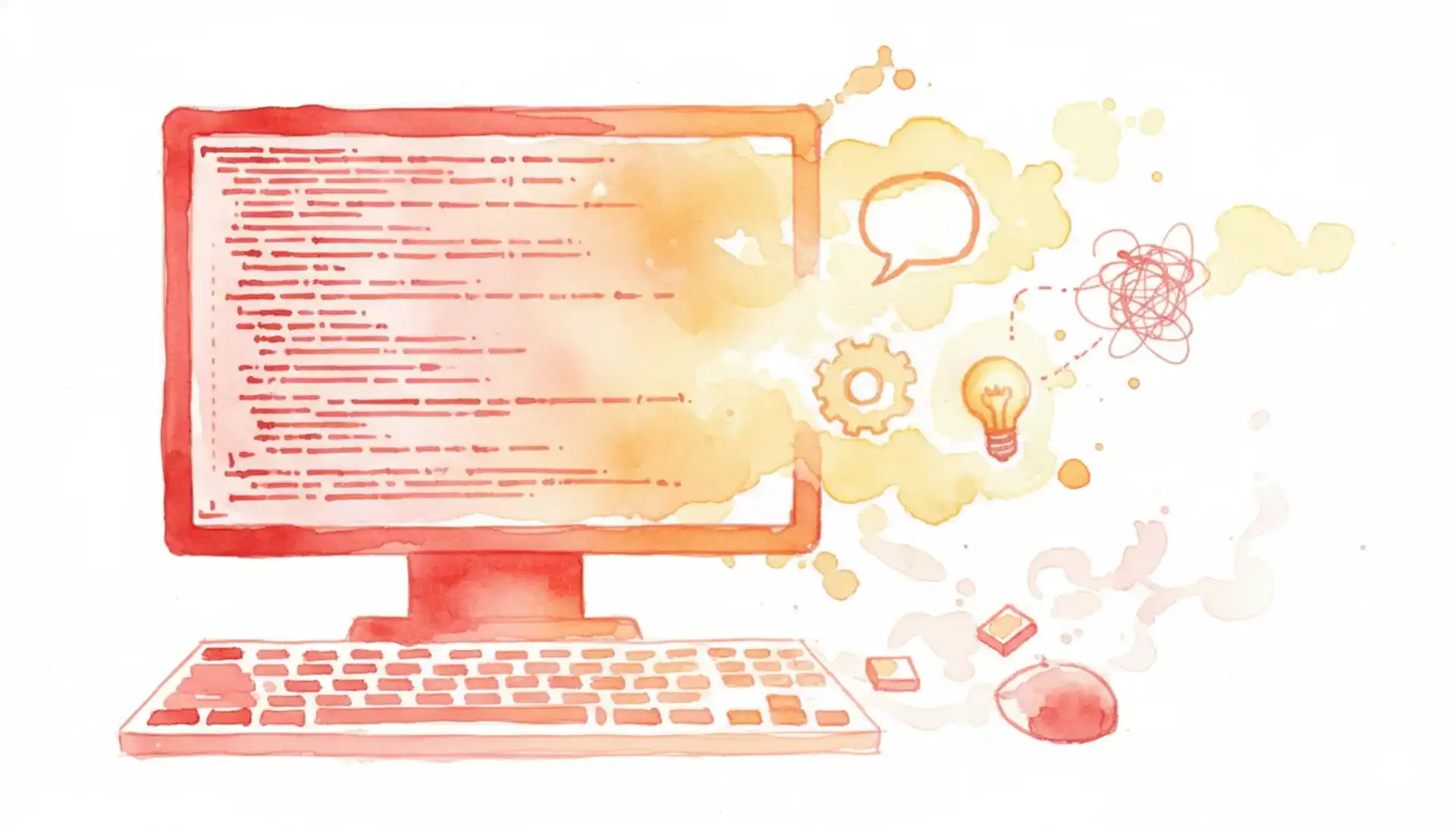
is another layer to this. It is the internal experience. The moment when
the headlines stop being data points and start being something you feel.
Here is what the headlines never explain. Technology has disrupted
professions before. It is not new. It is just new to us.
Consider high-end kitchens over the past two decades. When sous-vide
machines and precision combi ovens arrived, traditional chefs felt what
developers feel now. The craft they had spent years mastering was suddenly
being handed to a machine that held temperature to the tenth of a degree.
Fire management. Intuitive timing. The feel of a perfectly rested steak.
All of it, suddenly optional.
The technology did not ask for permission. It just showed up, and it
worked. Some chefs dismissed it as cheating. Others panicked that their
skills had an expiration date. But what actually happened was more
interesting. The technology did not replace chefs. It changed what being a
chef meant.
The building blocks shifted. Flame control gave way to flavor design.
Manual repetition gave way to creative orchestration. The chefs who thrived
were the ones who stopped guarding the old skills and started building with
the new ones. The ones who refused to adapt did not disappear. They became
niche artisans. Respected, but no longer in high demand.
Software development is walking into the same kitchen right now. The
building blocks are changing. Source code, language syntax, the physical
act of typing. These may not carry the same weight they used to. What rises
in their place is harder to quantify but not less valuable. Communication.
System design. Creative direction. The ability to orchestrate agents across
boundaries and know when the output is wrong. These are not soft skills
pretending to be engineering. They are the new materials.
None of this makes the anxiety invalid. It makes it a signal. Anxiety is
the body's way of saying something important is shifting and you have not
yet found your footing. The mistake is treating that signal like a stop
sign. It is not. It is a starting gun.
There is a line that surfaces in conversations about moments like this. The
solution to anxiety is action. It sounds simple. Almost too simple. But the
people who navigate industry shifts successfully are rarely the ones who
waited for clarity. Clarity arrives only in hindsight. By then, someone who moved has already claimed the opportunity while the
rest were still refreshing the headlines.
What does action look like right now?
It looks like opening the tools that scare you and building something small
with them. Not for production. Not for a portfolio. Just to understand the
texture of the new medium.
It looks like teaching someone else what you just learned. Teaching forces
you to organize what you barely understand.
It looks like contributing to an open source project where AI is part of
the pipeline. Watching how other teams handle the integration teaches more
than any tutorial.
It looks like writing down what you believe about software today and
checking back in six months to see what held up.
The builders who act during moments of disruption are the ones who define
what comes next. That was true when the web arrived. It was true when
mobile arrived. It is true now. The difference this time is that the pace
does not wait for anyone. But the principle holds. Movement beats paralysis
every single time.
The anxiety you feel is not a flaw. It is proof that you see what is
happening. Now the only question is what you do with it.
Disclaimer: All content reflects my personal views only and does not represent the positions, strategies, or opinions of any entity I am or have been associated with.